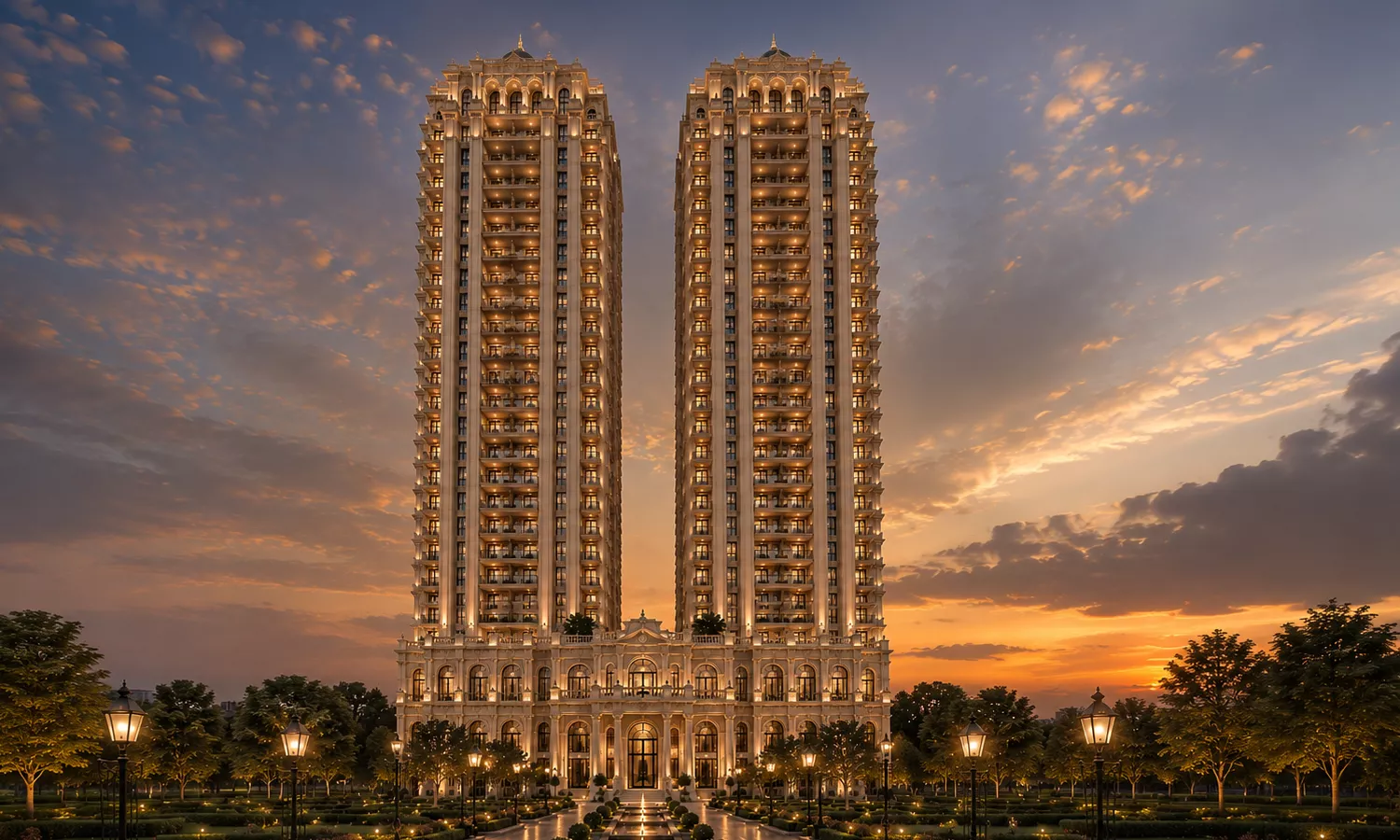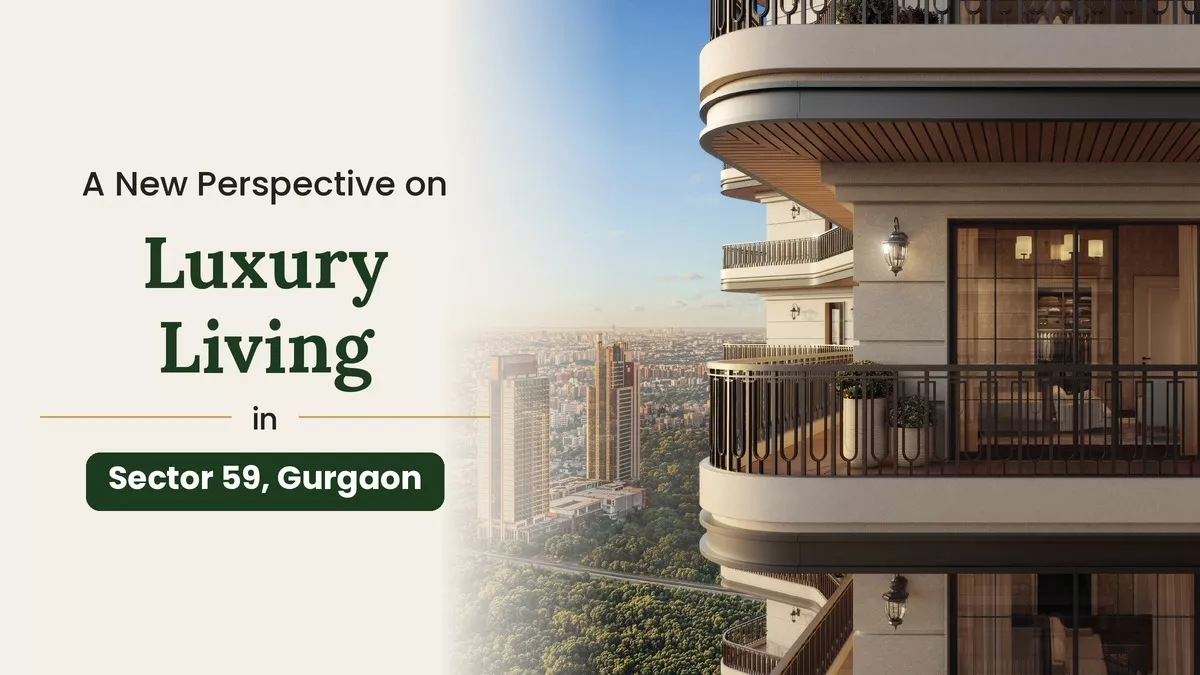
Sustainable living in residential real estate is no longer limited to adding a few green features to a building. It increasingly involves decisions about how homes receive daylight, how air moves through indoor spaces, how landscapes are planned and how buildings manage essential resources. These considerations are becoming important for homebuyers evaluating long-term comfort and environmental responsibility. Max Estates Sector 59 Gurgaon offers an example of how these principles can be incorporated into a premium residential development.
Making Natural Light and Ventilation Part of Home Design
The quality of an indoor environment is influenced by factors that residents experience every day. Natural daylight can make living spaces feel more open, while effective ventilation supports the movement of fresh air through a home.
The Bungalows' project document highlights planning principles that optimise buildings for daylight and natural ventilation. It also refers to generous private terraces that extend the living environment outdoors. These elements reflect an approach in which environmental considerations are addressed through the design of the residences, rather than being treated only as additional facilities.
For buyers, it is worth examining how a property's orientation, openings and outdoor spaces contribute to its everyday usability. Such details can have a meaningful influence on how a home feels across different times of the day.
Green Spaces as Part of the Residential Environment
Landscaping can serve a purpose beyond visual enhancement. Thoughtfully planned greenery creates outdoor areas for walking, resting and spending time away from indoor spaces.
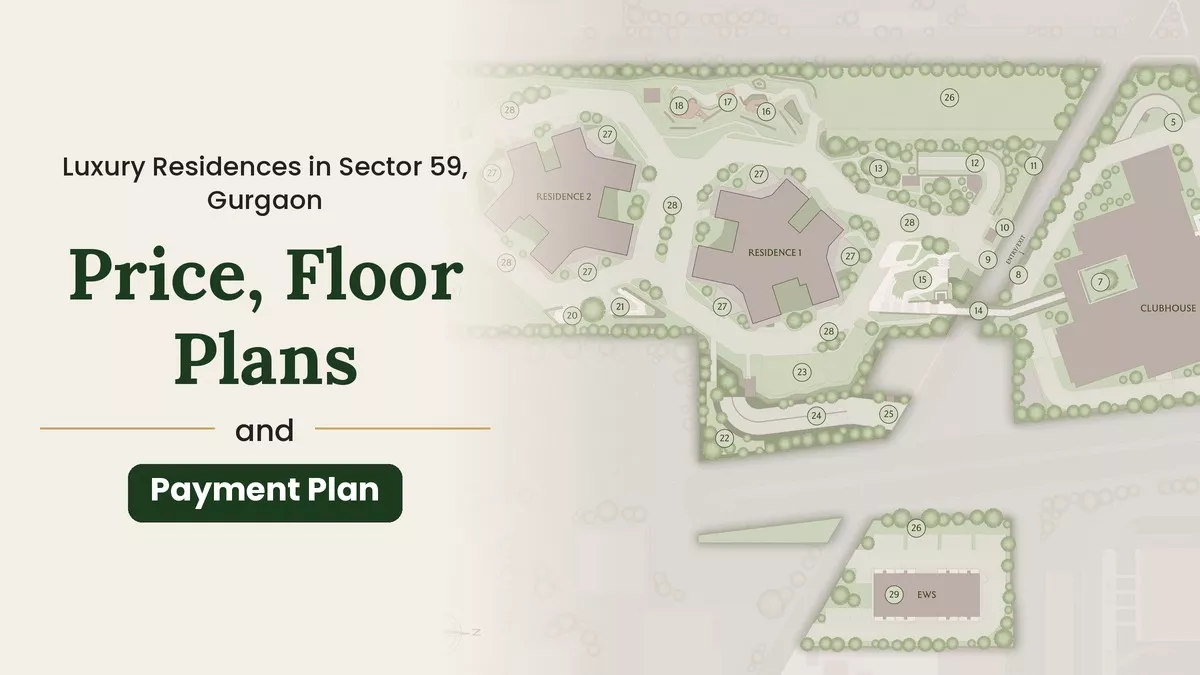
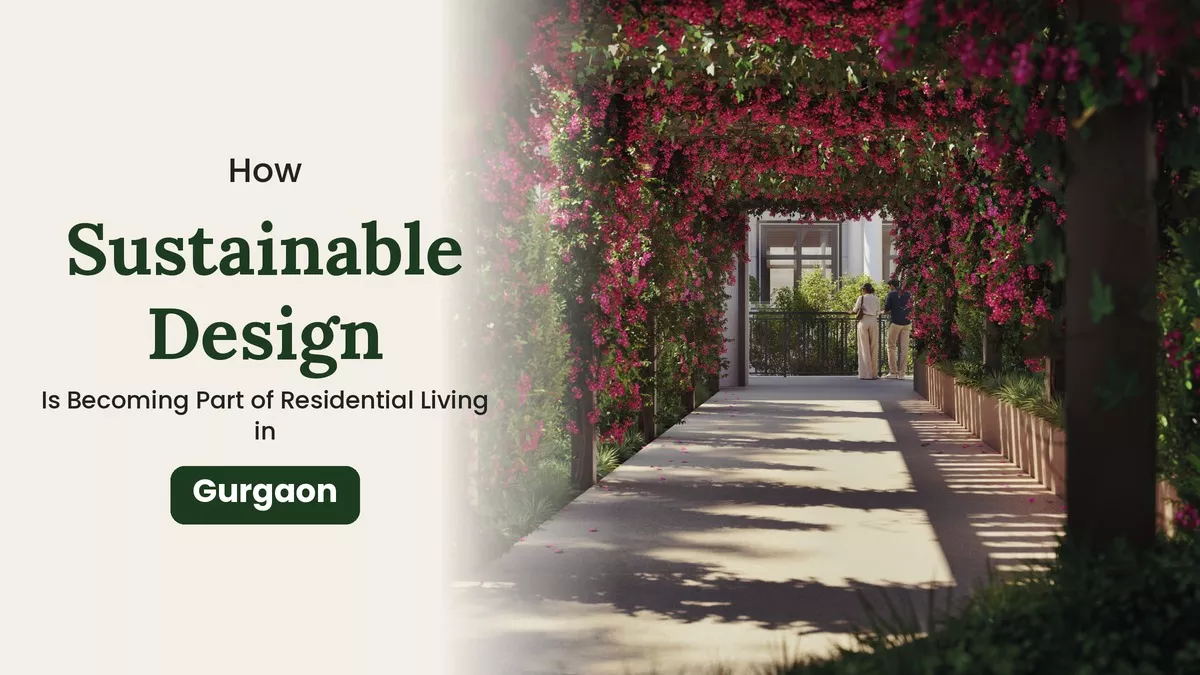
The development document identifies approximately 5.4 acres of open area and 30% soft landscape. It also refers to native plantation, pollution-absorbing species, shaded pathways, tree-filled circulation areas and rest points. Together, these elements indicate an effort to make landscape an integral part of the residential setting.
Green corridors and landscaped connections are also described as linking different parts of the estate. This approach can make outdoor movement more inviting and provide residents with spaces to pause during their daily routines.
Resource Management Within the Development
A sustainable residential environment also depends on how a property manages water, waste and energy-related resources. These systems may not always be visible to residents, but they form an important part of a development's infrastructure.
The project document lists several systems planned for The Bungalows:
- Rainwater harvesting to support water-resource management.
- Organic waste composting as part of waste handling.
- Sewage treatment plant (STP) systems for wastewater treatment.
- Rooftop solar systems to support cleaner energy use.
These measures are intended to contribute to environmental responsibility and reduce dependence on municipal resources. Their actual performance will depend on implementation, maintenance and operational practices after the development becomes occupied.
Understanding the IGBC Pre-Certification
The project document also mentions IGBC Platinum Pre-Certification. This is an important detail for prospective buyers researching the development's sustainability approach.
However, pre-certification should not be confused with a final certification or proof of measured operational performance. Buyers interested in green-building credentials should review the relevant certification documentation and verify the final status through the appropriate channels.
It is equally useful to understand which design features and building systems contribute to the stated sustainability objectives, rather than relying on a certification label alone.
Why These Details Matter to Homebuyers
When comparing premium homes in Gurgaon, buyers often begin with location, floor plans, amenities and specifications. Environmental planning deserves attention alongside these conventional considerations.
Questions about daylight, ventilation, landscape coverage, water management and waste treatment can help buyers understand how a residential development has been planned beyond its immediate visual presentation. They can also help distinguish between features included in the original design and systems whose performance will depend on ongoing management.
A well-planned residential environment brings together the home, its shared outdoor spaces and the infrastructure that supports everyday living. The Bungalows' stated approach combines these elements through its daylight and ventilation principles, landscaped areas and resource-management systems.
Interested in Max Estates The Bungalows?
Get price details, floor plans and a complimentary site visit.